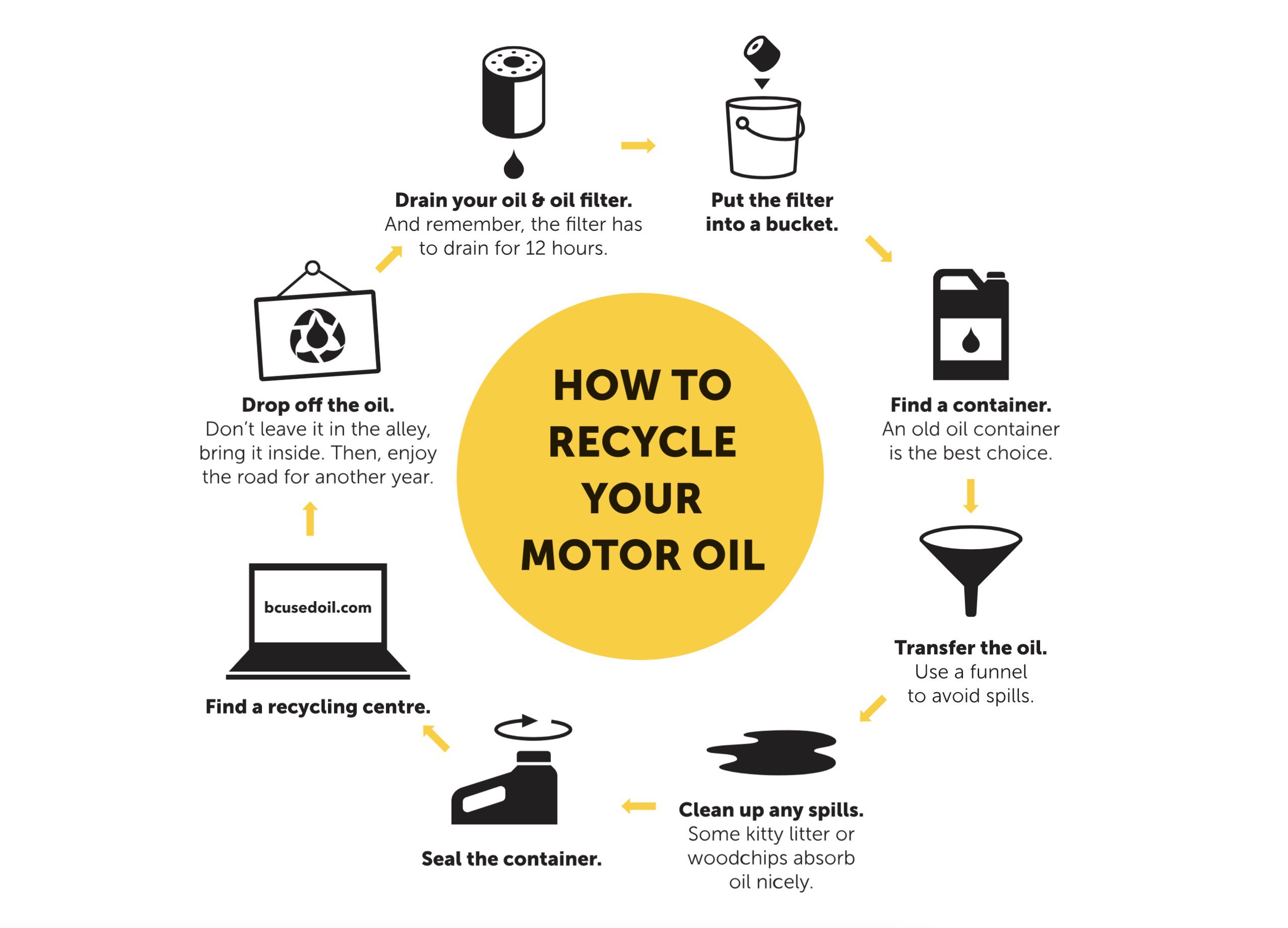
Don’t Pour It Down the Drain! Master Safe Disposal Methods, Avoid Fines, and Turn Waste into Resources.
1. Why Recycling Used Motor Oil Matters ⚠️
Used motor oil is a toxic environmental hazard. Just one gallon can contaminate 1 million gallons of freshwater—enough to supply 50 people for a year (EPA). Recycling it prevents:
- Soil and water pollution: Oil seeps into groundwater, harming ecosystems.
- Health risks: Contains heavy metals and carcinogens like benzene.
- Wasted resources: Used oil can be re-refined endlessly, reducing the need for crude oil.
Key Stat: Recycling 2 gallons of used oil produces enough electricity to power a household for 24 hours (DOE).
2. 6 Steps to Safely Recycle Used Motor Oil 🛠️
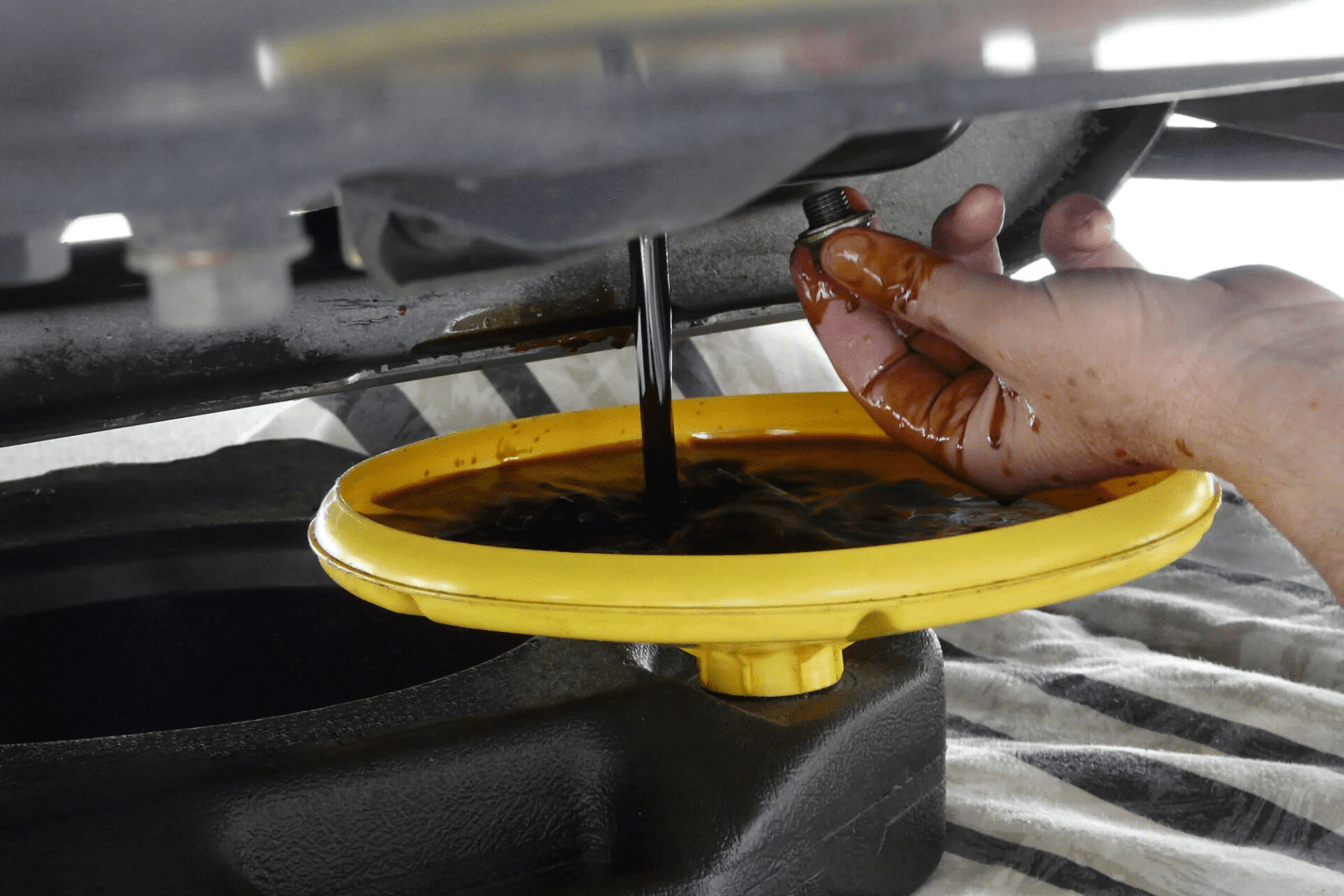
1. Drain Oil Carefully
- Tools: Use a drip pan with a spout to avoid spills.
- Tip: Let the engine cool slightly (but not fully) to prevent burns.
2. Store in a Clean, Leak-Proof Container
- Acceptable: Original oil bottles, sturdy plastic jugs, or metal containers.
- Avoid: Milk cartons, food containers, or chemical bottles.
- Label: Mark “Used Motor Oil” with the collection date.
Pro Tip: Auto stores like AutoZone often provide free collection containers.
3. Never Mix with Other Fluids
- Danger: Antifreeze, brake fluid, or solvents make oil unrecyclable.
- Dispose Separately: Check local guidelines for hazardous waste.
4. Locate a Recycling Center
- Where to Go:
- Auto parts stores (AutoZone, O’Reilly Auto Parts).
- Municipal hazardous waste facilities.
- Service stations or quick lubes (some accept oil for a fee).
- Find Nearby: Use Earth911’s Recycling Locator.

5. Transport Safely
- Secure: Place containers in a cardboard box or tub to prevent tipping.
- Avoid Heat: Don’t leave oil in a hot car—it can expand and leak.
6. Drop Off and Confirm Recycling
- Ask: Ensure the facility re-refines oil (vs. burning it for energy).
- Receipt: Keep proof of disposal for legal compliance.
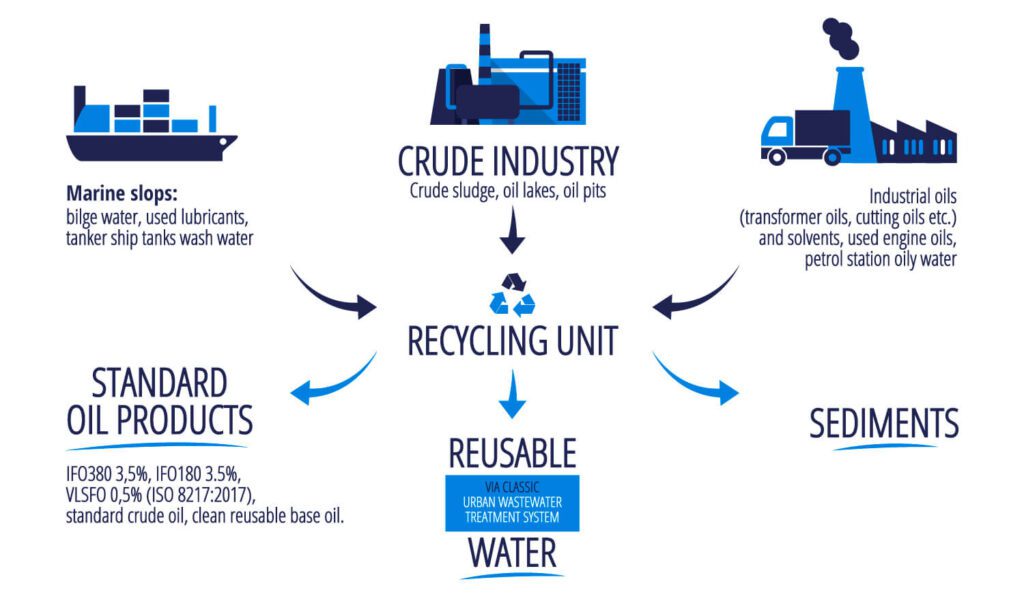
3. What Happens to Recycled Oil? 🔄
- Re-Refining: Removes contaminants to create “new” motor oil (uses 75% less energy than crude refining).
- Industrial Fuel: Processed into fuel for ships, factories, or power plants.
- Asphalt and Lubricants: Repurposed for road paving or hydraulic fluids.
Case Study: Safety-Kilmer re-refines 175 million gallons/year, saving 20 million barrels of crude oil.
4. Common Mistakes to Avoid 🚫
- Pouring on Ground or Drains: Illegal in most states, fines up to $10,000.
- Trashing It: Landfills can’t contain toxic leaks.
- Burning Improperly: Releases carcinogens unless done in approved facilities.
- Using Dirty Containers: Residual chemicals contaminate the oil.
5. DIYer Tips for Home Mechanics 🧰
- Oil Filter Recycling: Puncture and drain filters for 24 hours before recycling.
- Spill Kit: Keep cat litter, rags, and gloves on hand for accidents.
- Community Programs: Some towns offer curbside pickup for used oil.
Pro Tip: Swap oil changes with neighbors to consolidate recycling trips.
6. Legal and Safety Considerations ⚖️
- Regulations:
- Federal: EPA mandates proper disposal under RCRA.
- State: California, Texas, and NY have strict hazardous waste laws.
- Safety Gear: Wear nitrile gloves and safety goggles; avoid skin contact.
7. Top 5 Tools for Safe Recycling 🧤
| Tool | Price | Best For |
|---|---|---|
| Lisle Oil Drain Pan | $25 | Spill-free draining |
| Safety-Kilmer Jug | $15 | Leak-proof storage |
| Oil Filter Wrench | $10 | Easy filter removal |
| Spill Pillows | $20 | Soak up leaks fast |
| Earth911 App | Free | Find local drop-offs |
8. FAQs ❓
Q1: Can I reuse motor oil after filtering it?
A: No! Reusing oil damages engines—always recycle.
Q2: How long can I store used oil?
A: Up to 1 year in a sealed container, away from heat/light.
Q3: Is synthetic oil recyclable?
A: Yes! Same process as conventional oil.
Q4: What if my town has no recycling center?
A: Request a hazardous waste pickup or attend community collection events.
Q5: Can I recycle oil contaminated with gas?
A: No—dispose as hazardous waste.
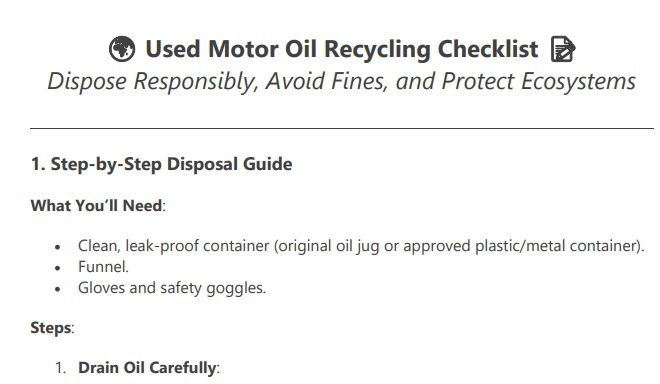
9. Free Recycling Checklist 📝
[🔗 Download Your Free PDF Here]
Includes:
- Step-by-step disposal guide.
- Local regulation cheat sheet.
- Spill cleanup protocol.
10. Final Tips 💡
- Educate Others: Share recycling info with fellow car owners.
- Support Re-Refined Oil: Buy products labeled “API Certified Re-Refined.”
- Advocate: Push for more community recycling programs.
🚘 Share this guide to keep our planet clean—every drop counts! 🚘
Expand Your Automotive Knowledge 📝
Explore 500+ Free Expert-Curated Guides
🚗 Learn New Skills
From basic maintenance to advanced repairs — clear, actionable tutorials for every skill level.
🌍 Access Anywhere
Mobile-friendly guides with HD visuals. No downloads required.
- Guides & Tutorials
- Car Maintenance 101
- Diagnostics & Troubleshooting
- Seasonal Maintenance
- Budget-Friendly Repairs
- Electrical Systems Guide
- Car Safety & Reliability
- Tools & Product Reviews
- Routine Maintenance
- Car Modifications & Upgrades
- Buying/Selling Guides
- Eco-Friendly Car Care
- Advanced Repairs
- Car Laws & Compliance
- Emergency Repairs
- Future Car Tech